Where big ideas are born.
We strive to become multidimensional, original thinkers — the kind of people
who flourish in a challenging world. The kind of people who rise to every occasion.
The kind of people who can accomplish anything imaginable.
Explore Our Campus
If you can’t visit Chapman in person, you and your family can tour our vibrant
campus and hear from current students from wherever you are.
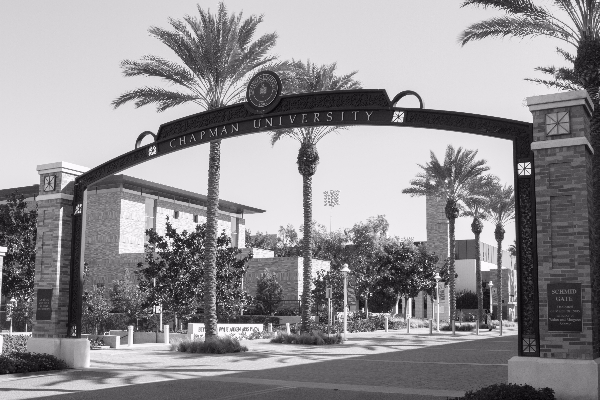
Welcome to the Chapman Family
Chapman's personalized education gives each student a unique opportunity to
become an original thinker who rises to the world’s challenges. We’re here to make
something: films, business models, lines of code—to bring them to life and deliver
them to the world.
Our inclusive, empowering community fosters creative thinking and expression of all
perspectives. Chapman’s campus is the perfect size—not too big, not too small—allowing
for effective, innovative programs to be a focal point of our institution. We work
to connect students to faculty and the community to keep students engaged in the larger
world.
We're here to see what we can do. So when we have finally reached where we've worked
so hard to be, we'll have every experience at Chapman inside us. Every person we found
inspirational behind us. Every lesson we learned within us. And everything we will
become in front of us.
Chapman By The Numbers
1861Our story begins.
Chapman is founded in 1861 as Hesperian College.
Learn More About Our Story15miles from the beach.
Located in the City of Orange — a safe, mid-sized community known for its historic architecture, perfect weather and Orange Plaza Historic District.
Learn More About Our Home9.6kstudents enrolled.
52 undergraduate, graduate, credential, and certificate programs in arts and sciences, business, education and health. (Fall 2018)
Learn More About Our Campuses50kalumni worldwide.
Chapman has more than 50k alumni worldwide — pick a place and we're probably there.
Learn More About Our AlumniWhy We're Here
The mission of Chapman University is to provide personalized education of distinction
that leads to inquiring, ethical and productive lives as global citizens.
At Chapman, we strive for a vibrant intellectual community in which different ideas and perspectives are sought and encouraged – and enable new thinking to emerge. This type of welcoming community also helps to make every member feel valued and appreciated.
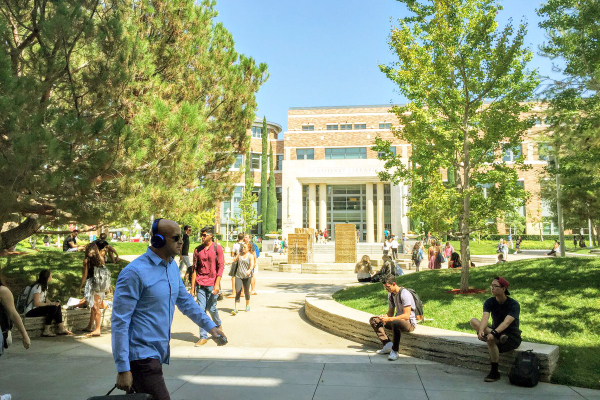
Explore Sunny California
With Chapman's access to diverse cultural experiences, internships and job prospects, it's no wonder we thrive in a region at the forefront of the entertainment, performing arts, health care and biotechnological industries. Come for the ideal weather and balanced lifestyle — stay for the vigorous entrepreneurial spirit of the West Coast.